
Car Leasing in California - $0 Down Lease Deals Near You
Vehicle Leasing and Financing Simplified
Drive away with your dream car
Leasing a car in California comes with unique rules, costs, and opportunities compared to other states. Understanding different EV incentives, tax laws, and regulations can save you thousands on your lease.
This guide explains everything you need to know about leasing a car in California in 2026, including credit requirements, local programs, costs, and whether leasing still makes sense today.
Why Car Leasing in California Is Different in 2026
California has some of the most complex automotive regulations in the US, and recent policy changes have significantly impacted leasing.
1. State EV Rebates Have Changed
California’s Clean Vehicle Rebate Project (CVRP) has been discontinued, according to the California Air Resources Board (CARB), and incentives are no longer broadly available.
Today, most programs are income-based, region-specific and limited in availability.
2. EV Leasing Still Has Hidden Advantages
Even without statewide rebates, EV lease deals can still be competitive:
Manufacturers may apply incentives directly to lease pricing
Lease structures reduce long-term battery depreciation risk
Shorter terms align better with fast-changing EV technology
In some cases, EV lease deals can be cheaper than gas vehicles, depending on manufacturer programs. In many cases, manufacturers apply incentives directly to lease pricing, which can lower monthly payments even without statewide rebates.
3. HOV Lane Benefits Are Gone
California’s Clean Air Vehicle (CAV) sticker program ended in 2025, as confirmed by the California DMV. This removes one of the biggest benefits previously tied to EV leasing.
4. Higher Costs Make Leasing More Attractive
Today California drivers face higher insurance premiums, higher registration fees, higher sales tax (varies by location).
Because of this, leasing is often preferred over buying for lower monthly payments and reduced long-term risk.
Top California Car Lease Specials (Updated June 2026)

How Car Leasing Works in California
Sales tax is applied to monthly payments, not upfront
In California, you don’t pay sales tax on the full price of the vehicle when leasing. Instead, tax is added to each monthly payment based on your local rate, following guidance from the California Department of Tax and Fee Administration. This lowers the amount due at signing and spreads the tax cost over the life of the lease.
Lease terms are typically 24 to 36 months
Most car leases in California run for 2 to 3 years. Recently, 24-month leases have become more popular because they often offer better incentives and allow drivers to upgrade to newer vehicles sooner.
Annual mileage limits usually range from 10,000 to 15,000 miles
Lease agreements include a yearly mileage allowance, usually between 10,000 and 15,000 miles. If you exceed this limit, you’ll pay a per-mile fee at the end of the lease, so it’s important to choose a mileage plan that fits your driving habits.
Registration fees are paid yearly and vary by vehicle value
In California, vehicle registration fees are not included in your lease and must be paid each year. The amount depends on the car’s value and your location (calculated by the California DMV registration system), which means higher-priced vehicles typically come with higher annual registration costs.
Note: Regulations and incentives in California can change frequently, so it’s always a good idea to verify current details through official state sources.
Best Deals Available Now in California
Top California Car Lease Specials (Updated June 2026)
What Credit Score Do You Need to Lease a Car in California?
Your credit score will directly affect your monthly payment and approval.
Lease Approval by Credit Tier
| Credit Score | Lease Expectations |
|---|---|
| 720+ | Best deals, lowest payments, $0 down often available |
| 650–719 | Good approvals, competitive pricing |
| 580–649 | Higher payments, limited offers |
| Below 580 | Limited approvals, depends on income & auto history |
Remember: In CA, approvals can be more flexible than expected, especially through manufacturer-backed lease programs.
Important Factors Beyond Credit
Prior auto loan or lease history
Lenders look at your past experience with car loans or leases to see how reliably you’ve made payments. A strong auto history (especially with no late payments) can improve your chances of approval and help you qualify for better lease terms.
Stable income
Consistent, verifiable income shows lenders that you can afford the monthly lease payments. Even if your credit score isn’t perfect, steady income can significantly increase your chances of getting approved.
Debt-to-income ratio
This measures how much of your monthly income goes toward existing debts. A lower debt-to-income ratio means you have more financial flexibility, making lenders more confident that you can handle an additional lease payment.
EV Leasing in California: Is It Worth It in 2026?
EV leasing is no longer automatically cheaper-but select EV lease deals in California remain very competitive.
EV leasing can be a smart choice for drivers who want lower monthly payments - many electric vehicles currently benefit from manufacturer lease incentives. It may also make sense if you prefer upgrading to a newer vehicle every few years or want to avoid concerns about long-term battery performance, depreciation, and out-of-warranty repair costs.
But leasing an EV is not the right fit for everyone. The savings may be less compelling if you do not qualify for available income-based incentive programs, lack convenient access to charging, or face higher insurance premiums that offset the financial benefits of driving an electric vehicle.
Evaluating these factors alongside your budget can help determine whether an EV lease is the best option for your situation.
California Car Lease Costs: What to Expect
Leasing costs in California include:
Monthly Payment - based on depreciation, term, and residual value.
Sales Tax - applied to monthly payments (varies by location).
Registration Fees - based on vehicle value and location.
Insurance - required and typically higher for leased vehicles.
Insurance Requirements
California minimum liability coverage:
$30,000 bodily injury (per person)
$60,000 bodily injury (per accident)
$15,000 property damage
Lease agreements also require collision and comprehensive coverage, which increases total cost.
Local Incentives & Programs in California (2026)
Clean Cars 4 All
Clean Cars 4 All is a California program designed to help income-qualified residents replace older, higher-emission vehicles with cleaner options. It is only available in select air quality districts and typically requires trading in an older car. Eligible participants may receive financial incentives that can be applied toward the lease of a newer, low-emission or electric vehicle.
Driving Clean Assistance Program (DCAP)
The Driving Clean Assistance Program (DCAP) supports income-qualified drivers across California by providing financial assistance for cleaner vehicles. This may include help with upfront costs or support that can be applied toward a lease. The program is aimed at making low-emission vehicle access more affordable for households with limited income.
Utility Incentives
Some California utility companies offer additional incentives for drivers who lease or own electric vehicles. These programs can include rebates for installing home charging equipment or discounted electricity rates during off-peak hours. Availability and benefits vary depending on your utility provider and location.
Frequently Asked Questions About Car Leasing in California
What is the sales tax on a car lease in California?
Sales tax varies by city and is applied to your monthly lease payment, not the full vehicle price upfront.
Can I lease a car with $0 down in California?
Yes. Many lease deals offer true $0 drive-off options, depending on credit and manufacturer programs.
What credit score is needed to lease a car?
Most competitive lease deals require scores around 700+, but approvals are possible below 650 with strong income and auto history.
Are there EV rebates in California in 2026?
No broad statewide rebates exist. Most incentives are now income-based or regional.
Do I need insurance before leasing a car?
Yes. You must carry liability insurance, and leasing companies require full coverage including collision and comprehensive.
Can I end a lease early in California?
Yes, but it depends on your contract. Options may include lease transfer or buyout.
Leasing vs Buying in California: Which Is Better?
Leasing is better if you:
Want lower monthly payments
Prefer driving newer vehicles every 2-3 years
Want flexibility as EV technology evolves
Buying is better if you:
Plan to keep the car long-term
Drive high mileage
Want to build equity in the vehicle
For many drivers in California car leasing offers more flexibility and lower upfront costs.
Top California Car Lease Specials (Updated June 2026)
Best Deals Available Now in California

2026 Ford F-150 LARIAT
MSRP $74,190
Lease
Est. $706
/mo.
Discounts & Incentives
Why this is great

2026 Ford F-150 LARIAT
MSRP $73,165
Lease
Est. $699
/mo.
Discounts & Incentives
Why this is great
2026 Ford F-150 LARIAT
MSRP $75,255
Lease
Est. $719
/mo.
Discounts & Incentives
Why this is great
How Auto Bandit Works
Auto Bandit takes the stress out of finding the best car deals by offering clear, competitive leasing and financing options. Whether you’re looking for a new or used vehicle, our platform connects you with the top offers in California, ensuring a simple and straightforward process every step of the way. Start exploring today to see how Auto Bandit can help you drive off in your next vehicle.
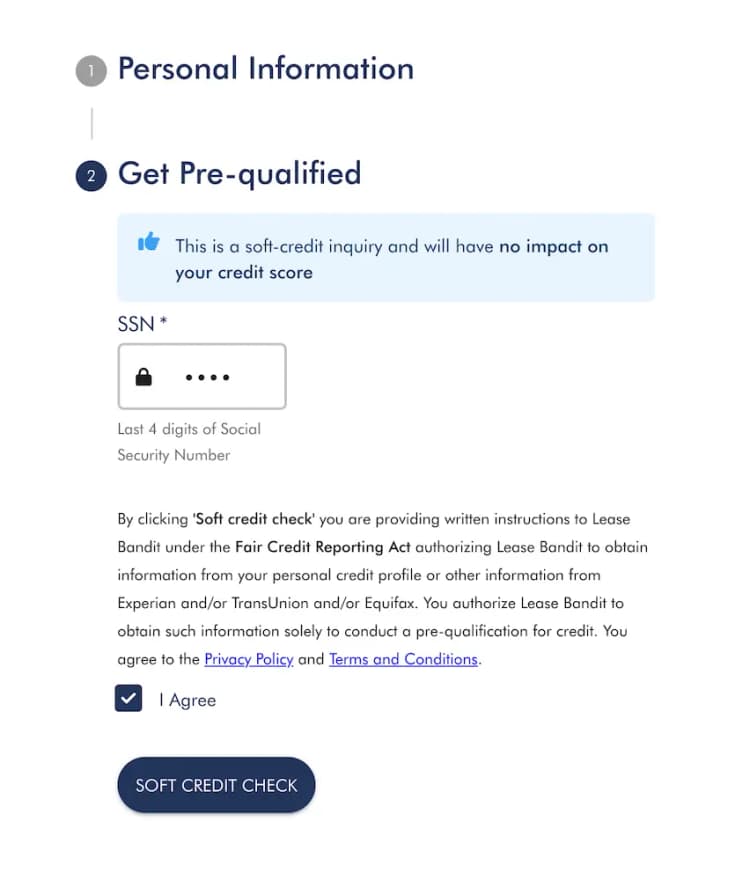
Create an account and fill in your information
Sign up with your email and zipcode. We need your credit tier to provide accurate prices
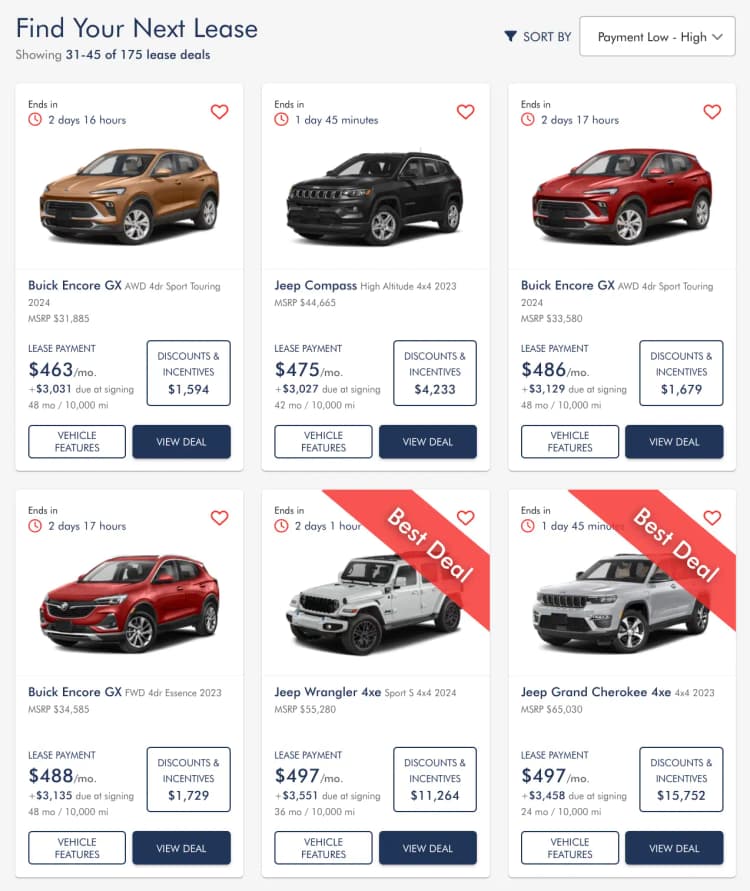
Find your vehicle
Search for vehicles by the year, make, model or even option packages you want
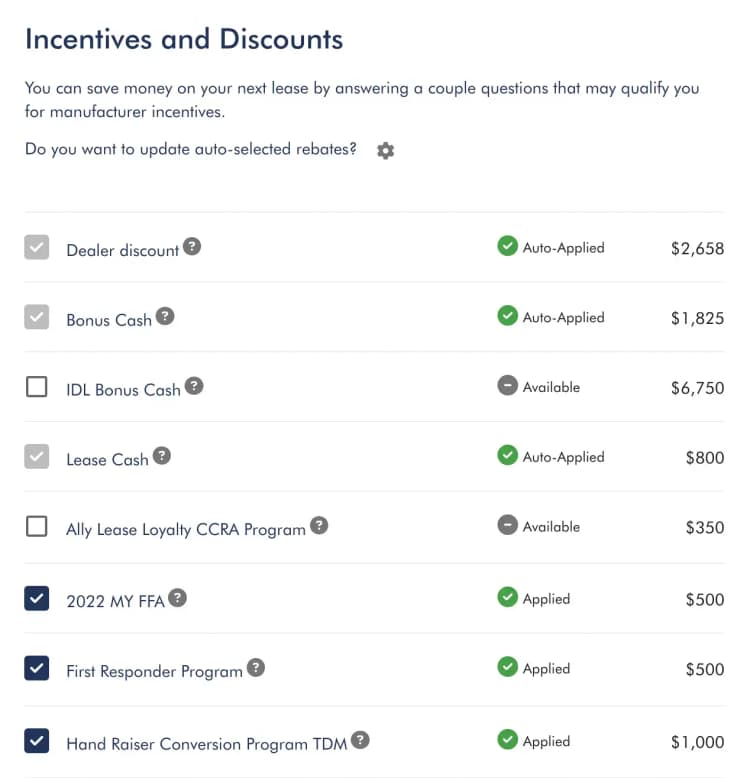
Apply incentives and rebates
Answer some simple questions to take advantage of incentives and rebates
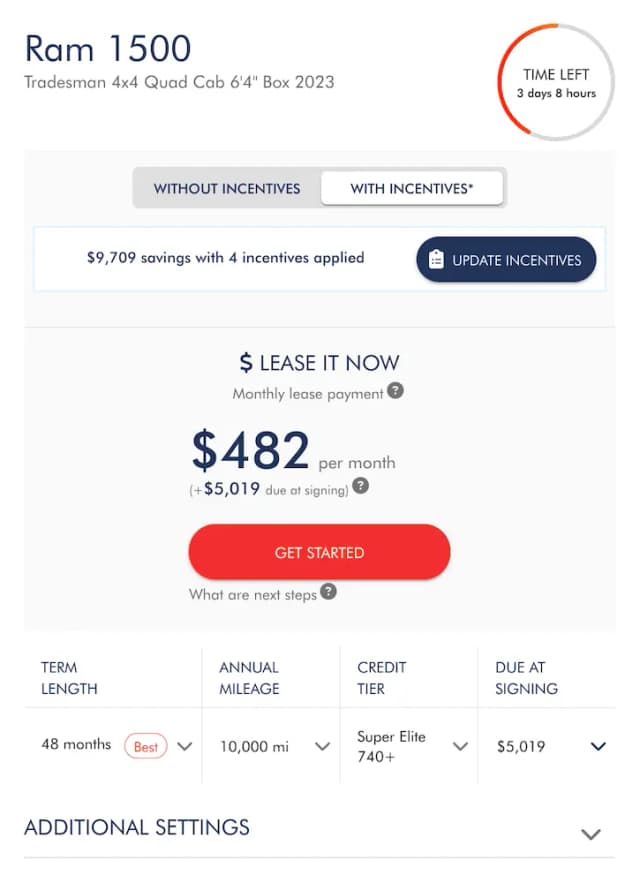
Set your leasing terms and get a great deal
Whether you choose to lease or finance, adjust your term length, mileage, down payment, and other conditions to find the perfect plan. Enjoy flexible options tailored to your needs and drive away with confidence.
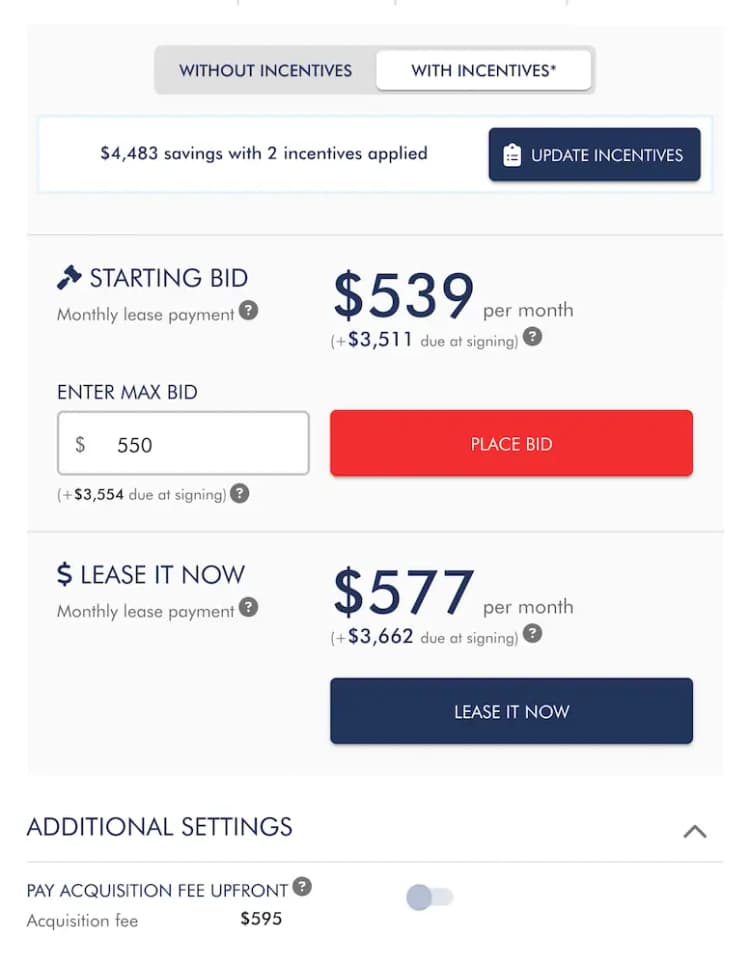
Explore Leasing, Financing, or Bidding Options
Discover your perfect vehicle through leasing, financing, or by placing a bid. Enjoy flexibility and great deals tailored to your needs.
Zero Down Lease Options in Major California Cities
Lease or Finance a Car Near You

