
Car Leasing in Connecticut: 2026 Guide to Taxes, Property Tax, and CHEAPR Rebates
Vehicle Leasing and Financing Simplified
Drive away with your dream car
Connecticut drivers know the value of a reliable vehicle — whether you are navigating the Merritt Parkway during rush hour, commuting from Fairfield County into New York City, or making weekend runs through the Litchfield Hills. From Stamford's financial district to Hartford's insurance corridor and New Haven's university community, Connecticut residents have demanding and diverse transportation needs. Whatever you are looking for — a fuel-efficient sedan, a spacious SUV, or an all-electric vehicle — Auto Bandit connects you with the best leasing and financing deals available right now in the Constitution State.
Leasing in Connecticut comes with a few local quirks that catch a lot of first-time lessees off guard: sales tax is charged on your monthly payment rather than the car's full price, most towns bill an annual property tax on the vehicle separately from your lease, and CHEAPR can knock up to $4,000 off an eligible EV before you even sign. Below, we break down exactly how each of those works - plus the current lease specials available across the state, from Bridgeport to Stamford.
Connecticut Lease Basics, 2026
Before you compare offers, here's what actually differs about leasing a car in Connecticut versus any other state:
Sales tax: 6.35% on every monthly lease payment. (The 7.75% luxury rate only applies to vehicle purchases over $50,000 - it does not apply to lease payments, regardless of the vehicle's value.) See the Connecticut DRS sales tax guidance for the full breakdown.
Motor vehicle property tax: assessed annually by your town at 70% of the vehicle's fair market value, billed separately from your monthly lease payment - see our full breakdown below.
Registration: standard renewal cycle of 1, 2, or 3 years; EVs qualify for a reduced $38/year DMV registration fee.
Emissions testing: new vehicles are exempt for roughly their first four model years; fully electric and hydrogen fuel-cell vehicles are permanently exempt.
EV incentive: a CHEAPR point-of-sale rebate worth up to $4,000 combined for income-qualified buyers on a new BEV.
Insurance minimum: 25/50/25 (bodily injury/property damage) - though your lessor will require significantly more coverage than the state minimum.
Your credit score still determines your rate: buyers with excellent credit (720+) typically see the lowest APRs and $0-down offers, while fair or poor credit usually means a larger down payment or a co-signer to keep payments manageable. Whatever your credit tier, the Connecticut-specific costs above apply to everyone the same way - they’re not something a higher credit score gets you out of.
One note if you're weighing this against a Maryland, Minnesota, or Illinois lease: Connecticut's flat 6.35% lease tax and its separate municipal property tax are two of the more unusual features in the Northeast, and they're the two numbers most worth double-checking before you sign.
Top Connecticut Car Lease Specials (Updated October 2026)

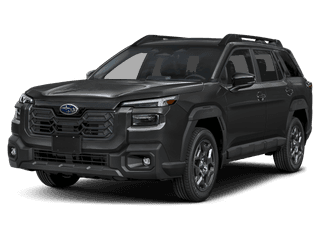
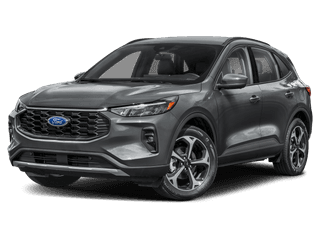
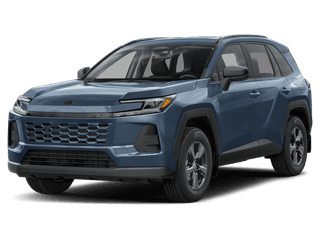
Best Deals Available Now in Connecticut

Why Choose Auto Bandit for Connecticut Car Leasing?
Auto Bandit is Connecticut's trusted partner for car leasing, with programs built around the real costs and conditions Connecticut drivers deal with - not generic nationwide advice.
CHEAPR eligibility - Connecticut's CHEAPR program offers point-of-sale rebates of up to $4,000 for income-qualified lessees on an eligible new EV, applied directly at the dealer. See the full CHEAPR breakdown below.
Reduced EV registration fee - Electric vehicles registered in Connecticut qualify for a reduced $38/year DMV fee and are fully exempt from the state's emissions inspection requirement.
Municipal property tax awareness - Connecticut bills an annual local property tax on motor vehicles, including leased ones, separately from your lease payment. Auto Bandit walks you through this cost before you sign. See the full breakdown below.
Shoreline and all-weather protection - If you're leasing along Long Island Sound, from Greenwich and Westport through Old Saybrook and Stonington, ask about coastal corrosion protection packages. Connecticut winters also make AWD and 4WD trims worth a look - our inventory reflects what Constitution State drivers actually choose.
New-vehicle emissions exemption - New leased vehicles are exempt from Connecticut's emissions inspection requirement for roughly their first four model years, saving you a trip to the test station for most of your lease term.
Growing EV charging network - Connecticut's public charging infrastructure has expanded past 1,500 stations statewide, including 180+ DC fast chargers, according to the U.S. Department of Energy's Alternative Fuels Data Center.
Whether you're commuting from Fairfield County into Manhattan, working Hartford's insurance corridor, or driving the shoreline between New Haven and the Rhode Island line, Auto Bandit's Connecticut inventory and local dealer network are built to match - with authorized service centers reaching from Stamford to Storrs.
Connecticut's Motor Vehicle Property Tax, Explained
This is the part of leasing in Connecticut that catches the most people off guard - especially anyone moving here from a state that doesn't do this. Connecticut is one of a small number of states that taxes vehicles, including leased ones, as personal property at the municipal level. That tax is completely separate from your monthly lease payment, and it's billed by your town, not by Auto Bandit or your leasing company.
How the bill is calculated
Connecticut assessors use a simple formula:
MSRP × depreciation schedule × 70% assessment ratio × your town's mill rate = your annual tax bill
Every vehicle is assessed at 70% of its fair market value, and that assessed value is then taxed at your town's mill rate - the local rate set each year by your municipality. For fiscal year 2026, towns are capped at a maximum motor vehicle mill rate of 32.46 mills, even if their real-estate mill rate is higher. In practice, this means two people leasing the identical car can owe noticeably different amounts depending on which Connecticut town they live in.
How this works when you're leasing, not buying
On a lease, the leasing company - not you - is the legal owner of the vehicle, and the vehicle is typically registered to the town your leasing company's agent designates on the paperwork. That said, your lease contract almost always passes the cost of this tax through to you as the lessee, either billed to you directly by the town or billed through your leasing company as part of your account. The two arrangements can look very different on your monthly or annual statement, so it's worth asking your dealer exactly how your specific leasing company handles it before you sign - don't assume it works the same way it did on a previous lease with a different lender.
Before you sign, ask for two numbers
Request the vehicle's assessed value and your town's current mill rate before you finalize your lease. Multiplying the two together gives you a close estimate of your annual bill, so you can budget for it from day one instead of being surprised by a tax notice partway through your lease term.
Sources: Connecticut Office of Policy and Management, mill rate publications; Connecticut General Assembly Office of Legislative Research, Report 2025-R-0097.
CHEAPR & EV Lease Incentives in Connecticut - 2026
If you're considering an electric or plug-in hybrid vehicle, Connecticut's CHEAPR program is the single most valuable incentive on the table - and one of the most misunderstood, since a lot of what's written about it online is now out of date.
How much CHEAPR is worth
The standard rebate is $1,000 for a new battery electric vehicle (BEV) and $500 for a new plug-in hybrid (PHEV), applied to vehicles with a base MSRP under $50,000. These rebates are applied directly at the dealer, at the time of purchase or lease - you don't have to wait for a check or file anything after the fact.
Rebate+: extra savings if you qualify
Income-qualified residents, and residents of designated Environmental Justice Communities, can stack an additional Rebate+ incentive on top of the standard rebate:
Up to $4,000 total on a new BEV
Up to $2,000 total on a new PHEV
To qualify for Rebate+, your household income generally needs to fall at or below roughly 300% of the Federal Poverty Level - about $96,450 for a family of four (this threshold adjusts annually) - or you need to participate in certain state or federal income-assistance programs. If you think you might qualify, it's worth checking before you shop, since it can meaningfully change which vehicles make sense to lease.
Important: the federal EV tax credit is gone
Here's where a lot of other sites get it wrong in 2026: the federal Clean Vehicle Tax Credit ended for vehicles acquired after September 30, 2025. If you're leasing an EV now, don't plan around stacking a $7,500 federal credit on top of your CHEAPR rebate - that credit no longer applies. CHEAPR is a Connecticut-only incentive at this point, and it's worth confirming with your dealer that any advertised savings reflect current 2026 rules rather than last year's numbers.
What else stacks with CHEAPR
Leasing an EV in Connecticut also comes with two ongoing savings that apply on top of your CHEAPR rebate:
A reduced DMV registration fee of $38 per year for electric vehicles
Full exemption from Connecticut's motor vehicle emissions inspection requirement
Between the point-of-sale rebate, the lower registration fee, and skipping emissions testing for the life of your lease, EVs are one of the more straightforwardly cost-effective ways to lease in Connecticut right now.
Source: Connecticut Department of Energy and Environmental Protection, CHEAPR program page.
Connecticut Lease Laws & Consumer Protections
A few legal points genuinely matter here and aren't well explained elsewhere - read this before you sign anything.
Early termination isn't an arbitrary penalty
Connecticut’s Consumer Leases Act (Conn. Gen. Stat. Chapter 743aa, §§42-390-42-449) governs consumer vehicle leases in the state, including what a lessor can charge you if you end your lease early. The law requires that any early-termination charge be "reasonable in light of the anticipated harm" caused by the early exit - not just whatever number the leasing company decides to write into the contract. In practice, that means the early-termination formula in your lease agreement is legally constrained, even if it isn’t obvious from reading the contract itself. If a termination fee looks disproportionate to what you actually owe on the vehicle, it’s worth having someone review the math.
Connecticut's Lemon Law covers leased vehicles too
A common misconception is that Lemon Law protections only apply if you buy a car outright. Connecticut's Lemon Law (Conn. Gen. Stat. §§42-179-42-186) explicitly covers new leased vehicles as well:
Coverage runs for the first 2 years or 24,000 miles, whichever comes first.
A vehicle qualifies as a lemon after 4 unsuccessful repair attempts for the same defect, or 30 or more cumulative days out of service for repairs.
If your vehicle qualifies, the manufacturer must also reimburse incidental costs like towing and rental car expenses.
Claims are administered through the Connecticut Department of Consumer Protection's arbitration program - a state-run process, not a lawsuit.
If your leased vehicle has been in the shop repeatedly for the same issue, this is the program to look into.
There's no 3-day right to cancel
Unlike a widely believed myth, Connecticut does not give consumers a general 3-day "cooling-off period" to cancel a signed vehicle lease or purchase. Once you sign, you’re bound by the contract terms. Read everything - including the early-termination and mileage sections - before you sign, not after.
Gap insurance isn't required, but it's worth having
Connecticut's state minimum liability limits are 25/50/25 (bodily injury/property damage), and that minimum does not protect you financially as a lessee if your leased vehicle is totalled or stolen. Without gap insurance, you could still owe the difference between what your insurer pays out and what you actually owe on the lease. It's not legally required, but it's one of the more inexpensive ways to protect yourself financially over the life of a lease.
Sources: Connecticut Department of Consumer Protection, Lemon Law program page; Connecticut General Statutes, via the Connecticut General Assembly.
Frequently Asked Questions About Car Leasing and Financing in Connecticut
Q: What is the sales tax on a car in Connecticut? A: Connecticut charges 6.35% sales tax on most vehicle purchases. However, higher-value vehicles may be subject to a 7.75% luxury tax rate on portions of the price above certain thresholds.
Q: How is sales tax applied to car leases in Connecticut? A: In Connecticut, sales tax is applied to your monthly lease payment, not the full vehicle price. The flat 6.35% rate applies to every lease payment - the 7.75% luxury rate applies only to vehicle purchases over $50,000, not to leases, regardless of the vehicle's value.
Q: Do I have to pay property tax on a leased car in Connecticut? A: Yes. Connecticut assesses an annual local property tax on motor vehicles, including leased ones, at 70% of fair market value, billed by your town separately from your lease payment. See our full property tax breakdown above for how it's calculated and who bills it.
Q: Are there EV incentives or rebates in Connecticut in 2026? A: Yes. Connecticut's CHEAPR program offers point-of-sale rebates on eligible new EVs and PHEVs, up to $4,000 for income-qualified buyers. The federal EV tax credit ended for vehicles acquired after September 30, 2025. See our full CHEAPR breakdown above.
Q: What credit score is needed to lease a car in Connecticut? A: Most of the best lease deals are available to drivers with good to excellent credit (typically 680–700+). Lower credit scores may still qualify but usually come with higher monthly payments or upfront costs.
Q: What fees should I expect when leasing a car in Connecticut? A: In addition to monthly payments, you may pay registration, title, documentation, and acquisition fees. Connecticut also charges local property tax on vehicles, billed separately based on your town.
Q: Can I buy out my lease in Connecticut? A: Yes. Most lease agreements include a buyout option at the end of the lease term, and some allow early buyouts. Sales tax and registration fees will apply when completing the purchase.
How Auto Bandit Works
Auto Bandit takes the stress out of finding the best car deals by offering clear, competitive leasing and financing options. Whether you are looking for a new or used vehicle, our platform connects you with the top offers in Connecticut, ensuring a simple and straightforward process every step of the way. Start exploring today and see how Auto Bandit can help you drive off in your next vehicle.
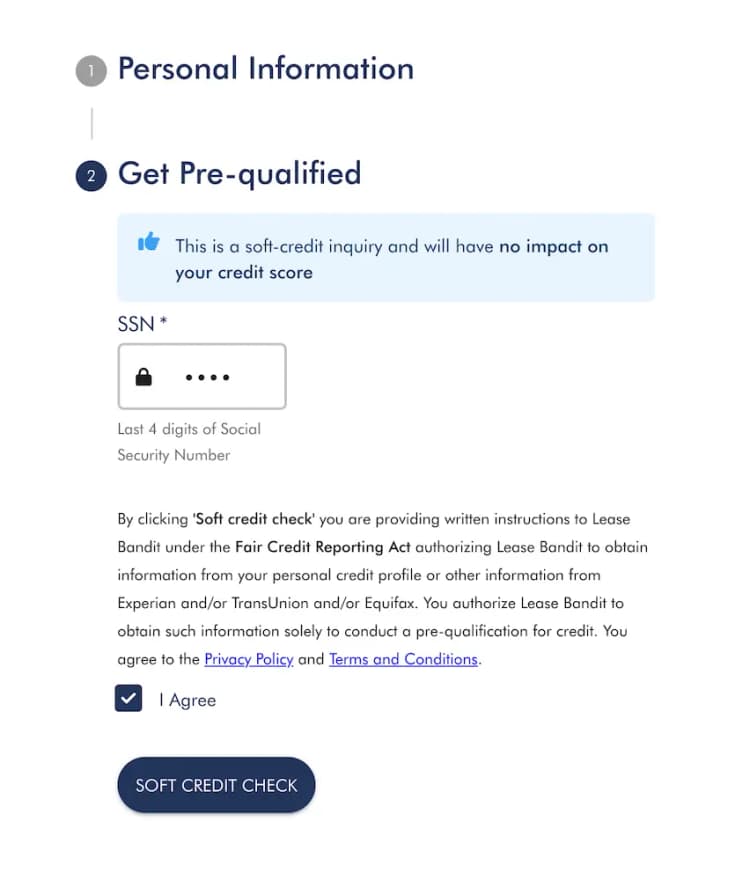
Create an account and fill in your information
Sign up with your email and zipcode. We need your credit tier to provide accurate prices
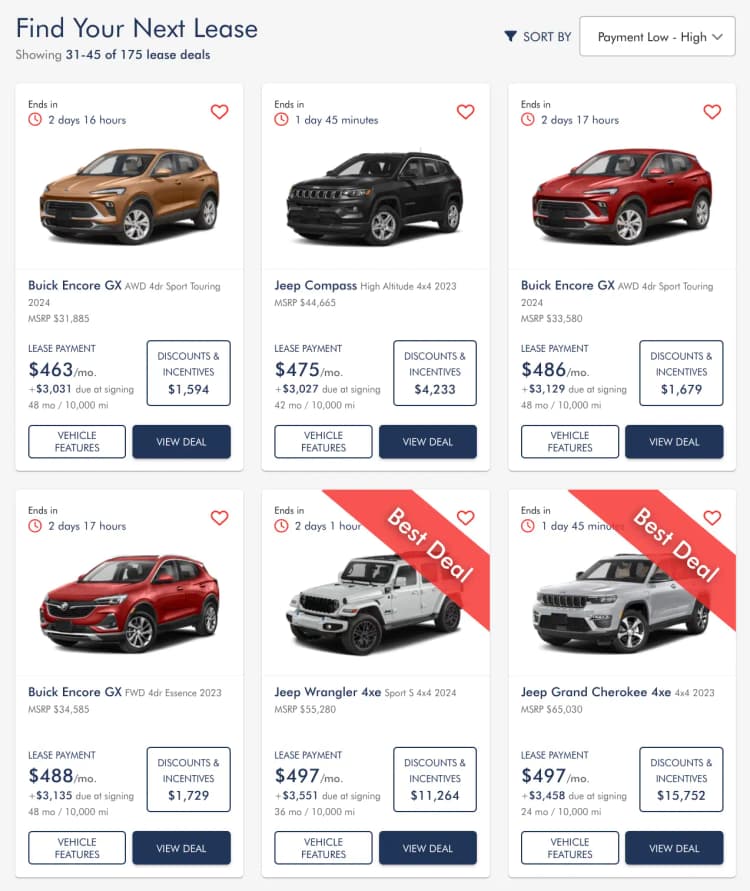
Find your vehicle
Search for vehicles by the year, make, model or even option packages you want
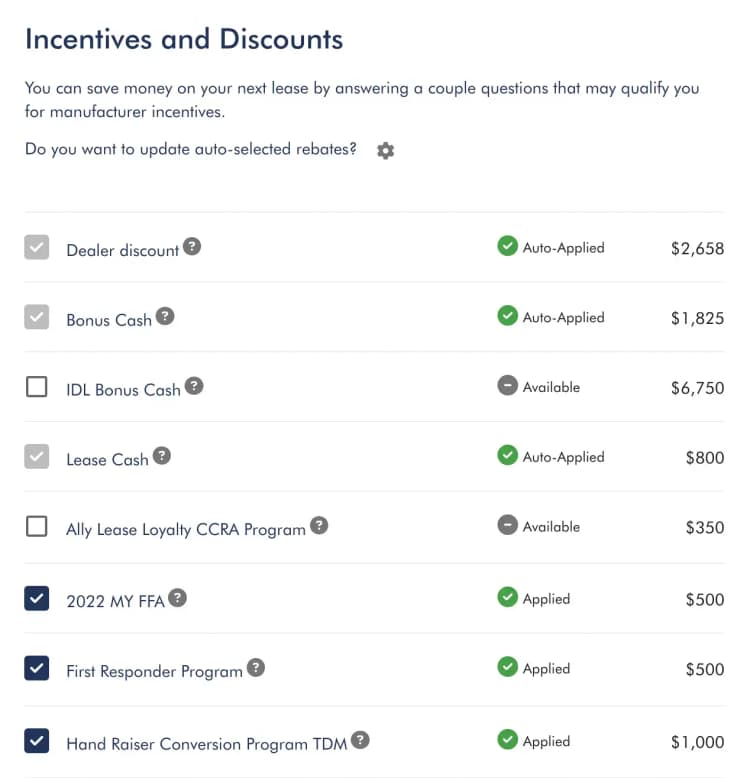
Apply incentives and rebates
Answer some simple questions to take advantage of incentives and rebates
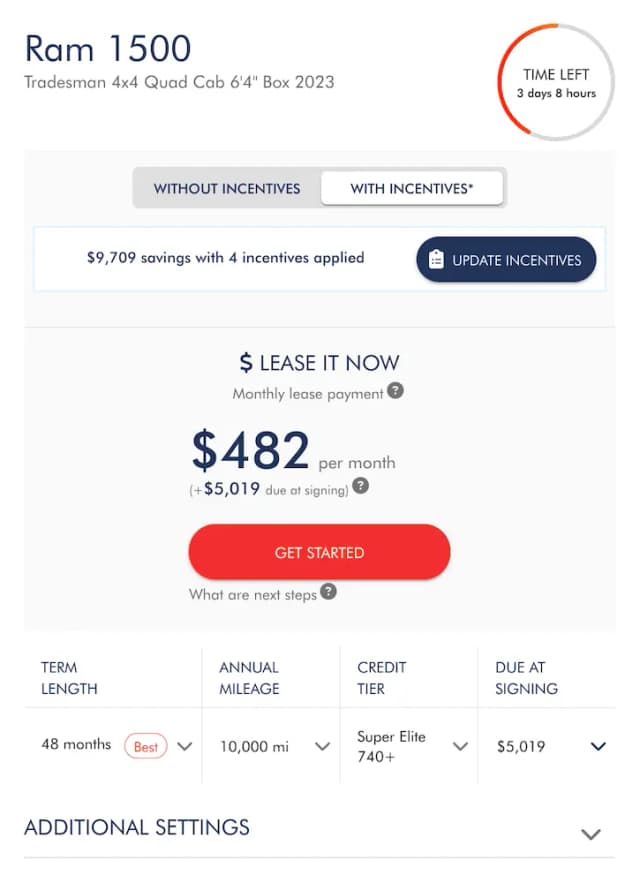
Set your leasing terms and get a great deal
Whether you choose to lease or finance, adjust your term length, mileage, down payment, and other conditions to find the perfect plan. Enjoy flexible options tailored to your needs and drive away with confidence.
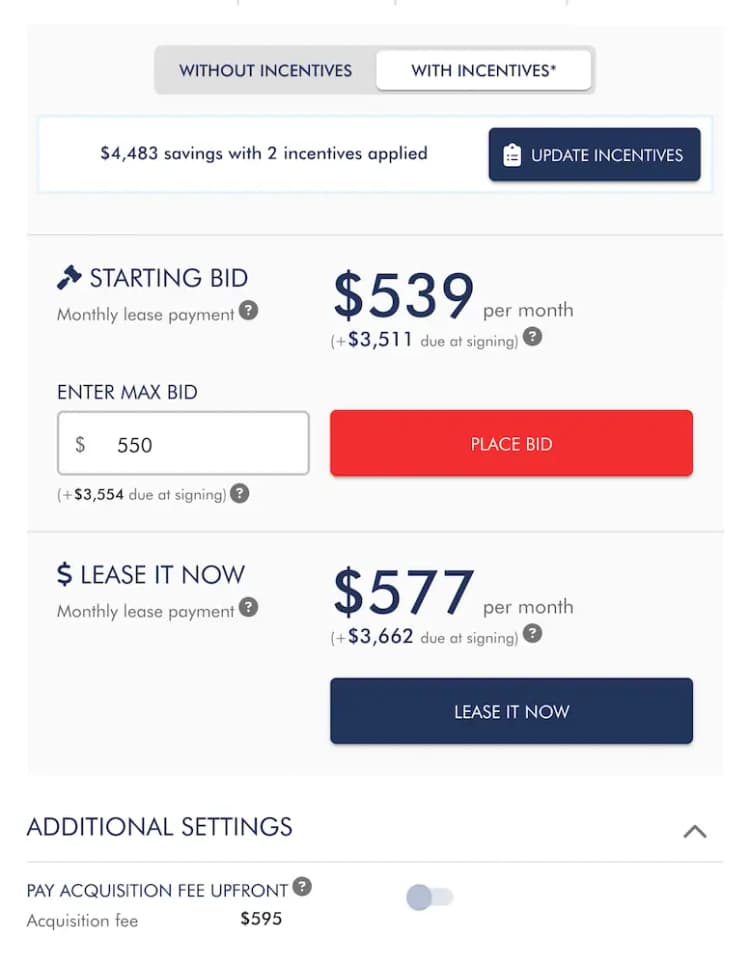
Explore Leasing and Financing Options
Discover your perfect vehicle through flexible leasing and financing options, with great deals tailored to your needs.
Zero Down Lease Options in Major Connecticut Cities
Lease or Finance a Car Near You

