
Car Leasing in Pennsylvania: Everything You Need to Know in 2026
Vehicle Leasing and Financing Simplified
Drive away with your dream car
If you've never leased a car before, Pennsylvania is actually a great place to start - provided you understand how the state's tax rules work, what EV incentives are on the table in 2026, and what dealers typically don't volunteer to tell you. AutoBandit covers all of it: the real numbers, the laws, the programs, and the smarter way to get a deal without spending a weekend at a dealership.
Pennsylvania Lease Taxes, Fees, and Registration Costs
The Tax Structure on Leased Vehicles
Pennsylvania applies a tax structure to car leases that catches many first-time lessees off guard - and that dealerships don’t always explain clearly upfront.
In PA, taxes on a leased vehicle are based on the monthly lease payment. You pay the state’s 6% sales tax plus Pennsylvania’s 3% Motor Vehicle Lease Tax on each payment. That’s a combined 9% on every monthly payment, applied for the full term of the lease. Two counties add a local tax on top of that: Philadelphia adds a 2% city sales tax (11% effective rate), and Allegheny County (Pittsburgh) adds a 1% local sales tax (10% effective rate). Everywhere else in the state, the rate is 9%.
This is different from buying, where tax is calculated once on the full purchase price. For most lessees, paying tax monthly on a smaller base (the payment) rather than all at once on the entire vehicle price is a genuine financial advantage.
Registration, Title, and Annual Fees
The standard annual registration fee for a passenger car in Pennsylvania is $48, or $96 for a two-year option. The title fee is a flat $72. Many counties also charge a small local use fee of $5 per year ($10 for a two-year registration). In most consumer leases, the leasing company handles initial registration and passes those costs to you as part of your drive-off fees at signing.
EV and Plug-In Hybrid Road User Charge
If you’re leasing an electric or plug-in hybrid vehicle, Pennsylvania has added a cost worth factoring into your monthly budget. Since 2025, EV and plug-in hybrid owners pay an annual Road User Charge in addition to standard registration fees, to make up for the fuel tax they don’t pay at the pump. For 2026, the fee is $250 per year for battery-electric vehicles ($500 for a two-year registration) and $63 per year for plug-in hybrids ($126 for two years). Starting in 2027, these fees adjust annually with the Consumer Price Index. Divide the annual charge by 12 and add it to any EV lease payment comparison you’re running.
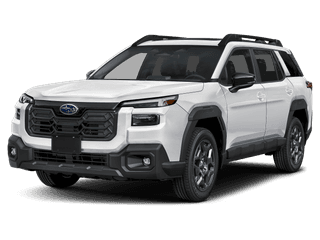
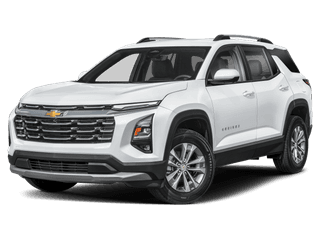
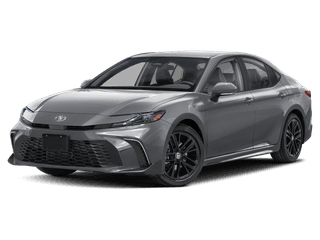
Top Pennsylvania Car Lease Specials (Updated October 2026)

PA EV Lease Incentives in 2026 - What’s Still Available
Pennsylvania’s AFV Rebate Program
Pennsylvania drivers who lease a qualifying electric or plug-in hybrid vehicle can apply for a direct cash rebate through the state’s Alternative Fuel Vehicle (AFV) Rebate Program, run by the Department of Environmental Protection. This is the main EV incentive available to PA lessees in 2026, and it applies to both new leases and purchases.
The Pennsylvania DEP AFV Program offers rebates to assist eligible residents with the cost of the purchase or lease of new or qualifying pre-owned AFVs, including all-electric vehicles (EVs), plug-in hybrid electric vehicles (PHEVs), CNG vehicles, electric motorcycles, and propane vehicles. Applicants must meet income eligibility requirements, and the eligible AFV price must not exceed $45,000.
Here’s how the rebate amounts break down for the current program year:
| Vehicle Type | Standard Rebate | Low-Income Bonus | Maximum Total |
|---|---|---|---|
| Battery Electric Vehicle (BEV) | $3,000 | +$1,000 | $4,000 |
| Plug-In Hybrid (PHEV) | $1,500 | +$1,000 | $2,500 |
| Electric Motorcycle | $500 | +$1,000 | $1,500 |
An additional $1,000 rebate is available for applicants who meet low-income requirements - defined as total household income at or below 150% of the federal poverty guideline. For a household of two, that low-income threshold is $31,725; the general program income ceiling (to qualify for the base rebate at all) is $63,450. So a family of two earning $60,000 would qualify for the standard $3,000 BEV rebate, but not the extra $1,000 low-income bonus - while a family of two earning $25,000 would qualify for the full $4,000.
The program is offering approximately 500 rebates from July 1, 2025 until June 30, 2026, or until funding is depleted. Rebates are offered to Pennsylvania residents only, on a first-come, first-served basis. Once those 500 rebates are claimed, the program closes until the next funding cycle. If you’re planning to lease an EV in Pennsylvania this year, apply as early as possible - don’t wait until June.
For lessees specifically: the rebate is issued directly to you, not the leasing company. Your lease’s capitalized cost (the vehicle’s agreed price) must fall at or below the $45,000 price cap to qualify. You apply through the DEP’s eGrants portal within six months of your lease signing date. If your rebate is $600 or more, the state will issue a 1099 form for the year you received it - plan to include it as income when you file your federal return.
What Happened to the Federal EV Tax Credit?
The big federal clean vehicle tax credits for most new and used EV purchases ended for vehicles delivered after September 30, 2025. Before that date, leasing an EV sometimes allowed the leasing company (as the legal vehicle owner) to claim the federal credit and pass the savings to you through a lower capitalized cost. That mechanism is gone for leases signed today. Pennsylvania’s AFV rebate is now the primary cash incentive available to new EV lessees in the state.
Utility Incentives Worth Knowing About
Beyond the state rebate, several Pennsylvania utilities offer additional programs for EV drivers. Utilities in Pennsylvania offer time-of-use electricity rates designed to lower the cost of charging EVs. For example, Adams Electric Cooperative offers customers over a 50% reduction on the energy supply portion of their bill for electricity flowing through a separately metered off-peak subpanel. PECO, PPL Electric, and Duquesne Light also have programs worth checking. If you can charge overnight, a time-of-use rate can measurably reduce your real monthly cost of an EV lease.
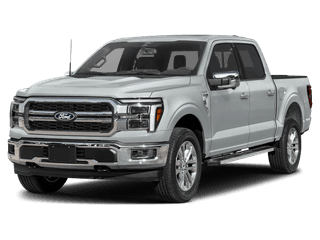
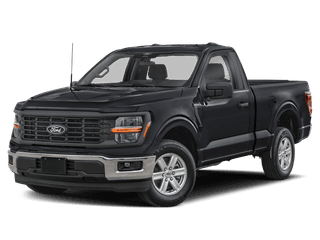
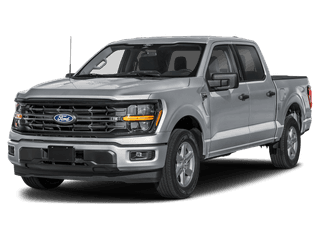
Best Deals Available Now in Pennsylvania
Pennsylvania Laws and Regulations for Car Leasing
Your Rights as a Lessee Under Pennsylvania Law
Pennsylvania’s consumer lease protections are codified under Title 13 of the Pennsylvania Consolidated Statutes (13 Pa.C.S. §§ 2A101 et seq.), which adopts Article 2A of the Uniform Commercial Code as adapted for the Commonwealth. These rules exist specifically for individuals leasing vehicles for personal use.
One protection worth knowing before you sign anything: if the law chosen by the parties to a consumer lease is that of a jurisdiction other than where the lessee resides, and that choice would deprive the consumer of protections under Pennsylvania’s statute, the provision is unenforceable. In plain terms, a dealer cannot bury a clause in your lease contract claiming another state’s law governs the deal in order to strip away Pennsylvania’s consumer protections. If you see unusual choice-of-law language in a lease agreement, that’s worth flagging.
Lessors in Pennsylvania are obligated to provide comprehensive disclosures about the terms and conditions of the lease agreement, including details about costs, fees, mileage limitations, and any penalties for early termination or excessive wear and tear. These requirements align with federal Regulation M under the Consumer Leasing Act. Before you sign, the dealer must disclose in writing: the capitalized cost, the capitalized cost reduction, the residual value, the money factor, the mileage allowance and overage rate, all fees (acquisition, disposition, documentation), and your purchase-option price if one exists. If a dealer is reluctant to put these numbers on paper before signing, walk.
Insurance Requirements for Leased Cars in PA
Pennsylvania’s minimum auto insurance requirements include $15,000 bodily injury liability per person, $30,000 per accident, $5,000 property damage liability, and $5,000 in Personal Injury Protection (PIP) coverage. However, state minimums are almost never enough coverage for a leased vehicle. If you lease your car, the lienholder will require you to purchase comprehensive and collision coverages - typically with a deductible no higher than $500 to $1,000. Expect your insurer to require this before you take delivery.
Pennsylvania is also a choice no-fault state, which adds one more decision for new lessees: limited tort lowers premiums but restricts your right to sue for pain and suffering, while full tort preserves full lawsuit rights but costs more in premiums. For a new or late-model leased vehicle, most financial advisors recommend full tort.
Gap coverage - which pays the difference between what you owe on the lease and the car’s actual cash value after a total loss - is also worth serious consideration. Loan/lease gap coverage will pay the difference between the actual cash value of your car and the remaining balance on your lease so that you can free yourself from financial burden and get back on the road. Some leasing companies include gap protection automatically; others charge separately. Ask specifically, and don’t assume it’s included.
Early Termination and Mileage Overage Rules
Pennsylvania law does not cap early lease termination fees - what you’d owe is governed entirely by your specific contract. The typical calculation involves some combination of remaining payments, the car’s current market value, and a termination fee. Read this section carefully before signing. Breaking a lease early in Pennsylvania is almost always expensive.
Mileage overage charges are similarly governed by your contract alone. Common rates in PA run from $0.15 to $0.30 per mile over your annual allowance. Pennsylvania drivers vary enormously - a Philadelphia city resident might put fewer than 8,000 miles a year on a car, while someone commuting from the suburbs of Pittsburgh, Allentown, or Harrisburg could easily log 16,000 or more. Negotiate your mileage allowance based on your actual driving life before you sign, not the advertised standard 10,000 or 12,000 miles.
What Dealers Don’t Tell First-Time Lessees in Pennsylvania
The traditional dealership leasing process in Pennsylvania - whether you’re at a Toyota store in Northeast Philadelphia, a BMW dealer in Pittsburgh’s North Hills, or a Honda lot in Harrisburg - involves a deliberate information asymmetry. Here’s what tends to get left out.
The money factor can be marked up. Manufacturers set a base money factor through their captive finance company. Dealers are permitted to mark it up, and that markup goes straight into their pocket, not yours. To convert a money factor to an approximate APR, multiply by 2,400. Ask for the "buy rate" and refuse any markup.
The monthly payment is not the deal. A dealer who focuses your attention exclusively on the monthly payment is usually hiding an inflated capitalized cost. A lower monthly payment achieved by extending the term or increasing your down payment is not a better deal - it’s often a worse one. Focus on the cap cost first.
Drive-off fees can quietly add thousands. Acquisition fees, documentation fees, and "dealer prep" charges are often presented at signing as non-negotiable. Some are standard; others are pure margin. The Pennsylvania Department of Revenue requires that all fees be disclosed - ask for a full itemized breakdown before you agree to anything.
Disposition fees are real, and often avoidable. Most PA lease agreements include a $300-$500 disposition fee charged at turn-in if you don’t lease or purchase another vehicle from the same brand. It’s in the fine print of almost every contract, and almost nobody mentions it when you’re signing.
This is precisely where AutoBandit works differently for Pennsylvania drivers. Every deal on the platform comes with discounts and incentives already applied - no negotiating the money factor, no figuring out what fees are legitimate, no spending a Saturday at a dealership in Allentown comparing dealer worksheets. You see the real number, register, and get into the car.
Car Leasing Across Pennsylvania’s Major Markets
Philadelphia and the Surrounding Suburbs
Philadelphia-area lessees face the state’s highest effective tax rate on lease payments - 11% per payment, due to the city’s 2% local sales tax on top of the state’s 9% base rate. If you live in Bucks, Montgomery, Chester, or Delaware counties, you’re at the standard 9% state rate. (Pittsburgh-area lessees in Allegheny County pay 10%, due to that county’s 1% local tax - see the tax section above.) Philadelphia also has a robust public charging infrastructure, with over 1,900 public EV charging stations statewide as of early 2026, including more than $34 million in federal NEVI funding dedicated to the southeastern region covering Bucks, Chester, Delaware, Montgomery, and Philadelphia counties. EV leasing makes particularly strong practical sense in the Philadelphia metro.
Pittsburgh
Pittsburgh and the rest of Allegheny County carry a 10% effective lease tax rate (9% state + 1% local), one point higher than most of the state outside Philadelphia.
Pittsburgh drivers have access to Duquesne Light Company’s EV incentive programs, which offer per-vehicle bonuses and smart-charging rewards stacked on top of the PA AFV rebate. The city’s topography - bridges, hills, stop-and-go urban driving - tends to favour smaller, fuel-efficient vehicles and EVs with strong regenerative braking. Lease terms through AutoBandit can be configured to match Pittsburgh’s specific commute patterns.
Harrisburg, Allentown, and Central PA
Drivers in and around the capital region and the Lehigh Valley tend to log higher annual mileage than their urban counterparts, often commuting into larger metros. If you’re based in Harrisburg, Allentown, Bethlehem, or Reading, negotiate your mileage allowance accordingly - and use AutoBandit’s lease calculator to see exactly what an extra 3,000 miles per year costs upfront versus at return.
Frequently Asked Questions About Leasing a Car in Pennsylvania
Do I pay sales tax upfront when leasing in Pennsylvania?
No. Pennsylvania collects 6% state sales tax plus the 3% Motor Vehicle Lease Tax on each monthly payment throughout the lease term. Philadelphia residents pay an additional 2% city tax per payment (11% total); Allegheny County residents pay an additional 1% (10% total). You do not pay tax on the full vehicle value at signing - which is one of leasing’s genuine tax advantages in Pennsylvania.
Can I get the PA AFV rebate on a leased EV?
Yes. The rebate applies to both new purchases and leases. The vehicle’s capitalized cost must be $45,000 or under, you must be a Pennsylvania resident, and you must submit your application within six months of the lease signing date through the PA DEP eGrants portal. The rebate check comes to you directly, not the leasing company.
What credit score do I need to lease a car in Pennsylvania?
There’s no legally mandated minimum - that’s set by individual leasing companies. In practice, the best money factors (lowest rates) are typically reserved for scores of 700 and above. Scores in the 650-699 range may qualify with a higher money factor or a larger down payment. AutoBandit’s pre-negotiated deals are structured around standard manufacturer credit tiers, so you’ll see clearly where you stand before committing.
Who handles registration on a leased car in PA?
The leasing company typically handles initial registration and title work. The associated costs - title fee, registration fee, lien recording fee - are passed through to you at signing as part of your drive-off total. You’re responsible for annual renewal during the lease period.
Is a $0 down lease a good idea in Pennsylvania?
Many new car leases in Pennsylvania are available with $0 due at signing, particularly during manufacturer promotional periods, and typically result in slightly higher monthly payments compared to leases where you pay a capitalized cost reduction upfront.
From a risk standpoint, however, putting less money down on a lease is often the smarter move: if the car is totalled in the first month, any upfront cap cost reduction you paid is gone. Your gap insurance covers the lease balance - not your drive-off cash.
Tax rates, registration fees, rebate amounts, and program details are current as of July 2026. Pennsylvania’s lease tax structure and the AFV Rebate Program are subject to legislative changes and annual funding cycles. Always verify current program status at the PA DEP AFV Rebate portal and confirm tax obligations with the Pennsylvania Department of Revenue before signing.
How Auto Bandit Works
Auto Bandit takes the stress out of finding the best car deals by offering clear, competitive leasing and financing options. Whether you are looking for a new or used vehicle, our platform connects you with the top offers in Pennsylvania, ensuring a simple and straightforward process every step of the way. Start exploring today to see how Auto Bandit can help you drive off in your next vehicle.
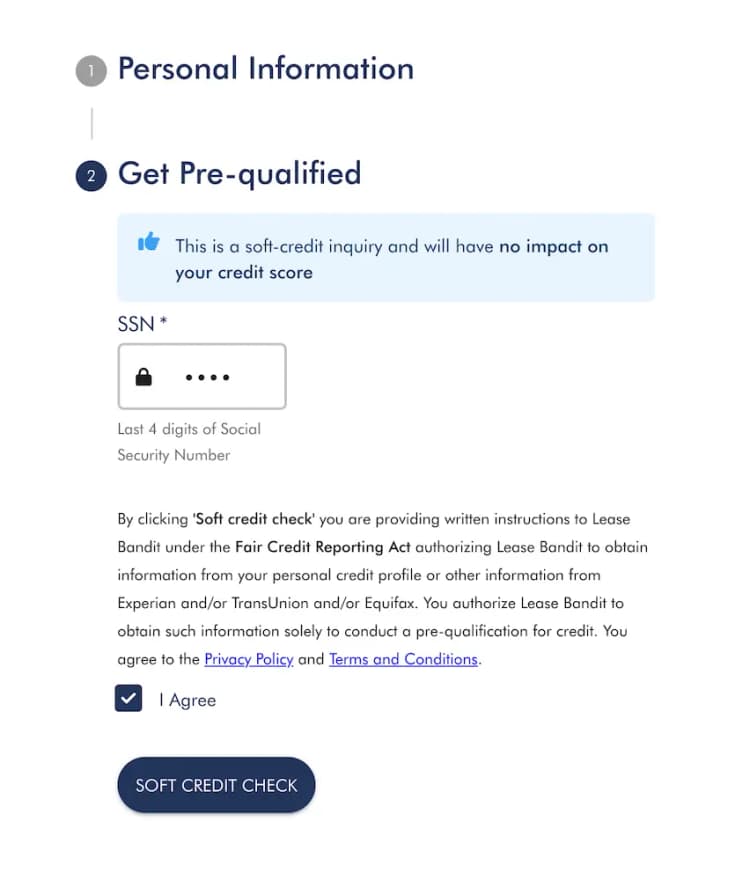
Create an account and fill in your information
Sign up with your email and zipcode. We need your credit tier to provide accurate prices
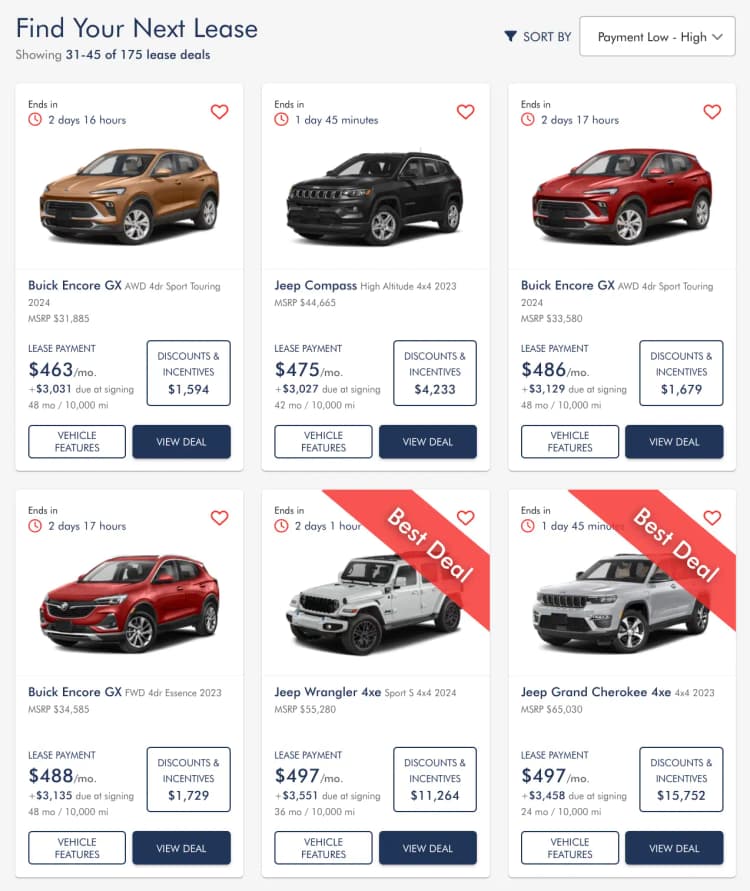
Find your vehicle
Search for vehicles by the year, make, model or even option packages you want
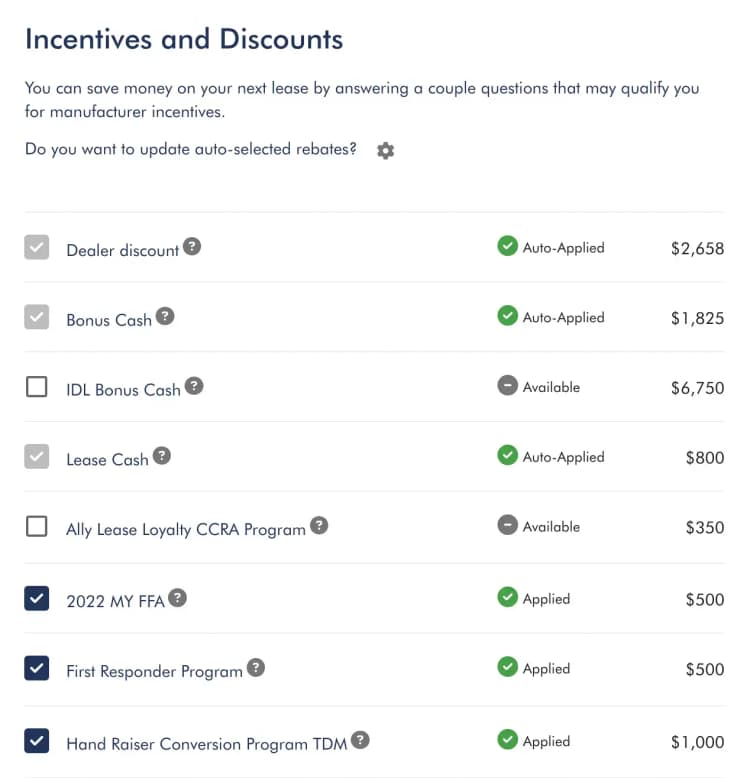
Apply incentives and rebates
Answer some simple questions to take advantage of incentives and rebates
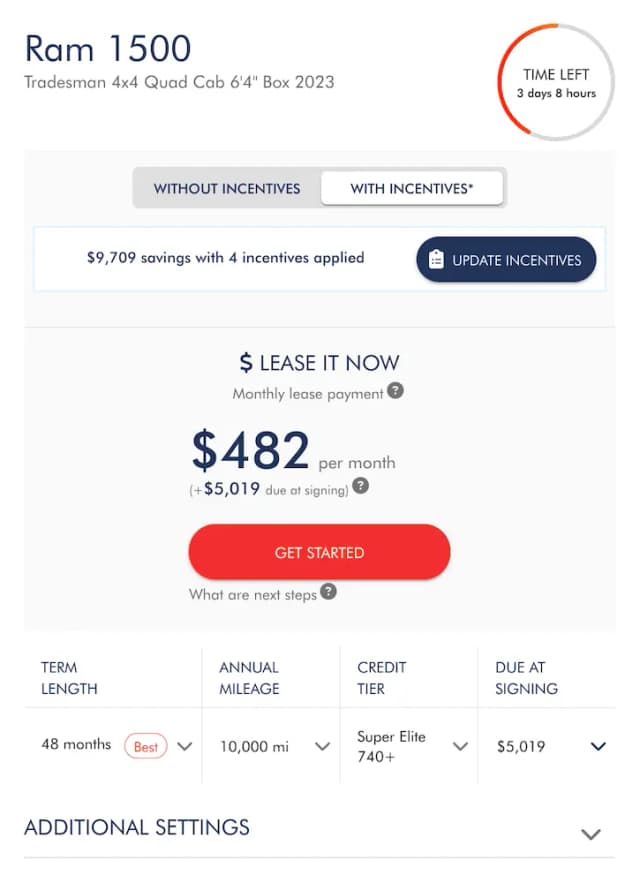
Set your leasing terms and get a great deal
Whether you choose to lease or finance, adjust your term length, mileage, down payment, and other conditions to find the perfect plan. Enjoy flexible options tailored to your needs and drive away with confidence.
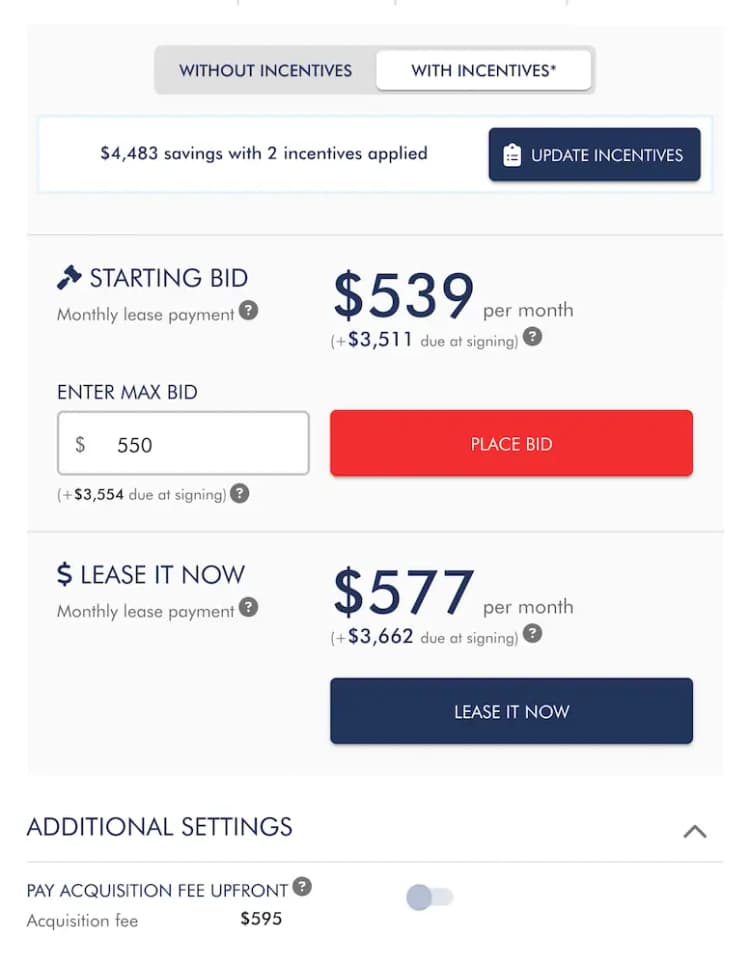
Explore Leasing and Financing Options
Discover your perfect vehicle through flexible leasing and financing options, with great deals tailored to your needs.
Zero Down Lease Options in Major Pennsylvania Cities
Lease or Finance a Car Near You

