
Car Leasing in Wisconsin (2026): Lease Tax, Consumer Rights & $0 Down Deals
Vehicle Leasing and Financing Simplified
Drive away with your dream car
From the shores of Lake Michigan and Lake Superior to the rolling farmlands of the Driftless Area and the urban corridors of Milwaukee and Madison, Wisconsin drivers need vehicles that can handle everything the Badger State throws at them — heavy snow, icy roads in winter, and open highway stretches in summer. Whether you're a daily commuter navigating I-94 through Milwaukee, a family heading up to Door County for the weekend, or a professional in Madison looking for a fuel-efficient lease, Auto Bandit connects you with the best car lease and financing deals available right now in Wisconsin.
Auto Bandit has gathered the most competitive leasing and financing offers across the state. Don't miss out on these opportunities to save on your next vehicle purchase or lease in Wisconsin.
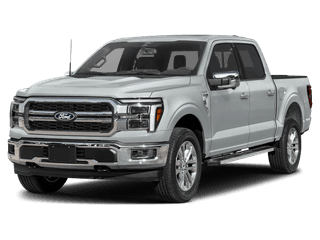
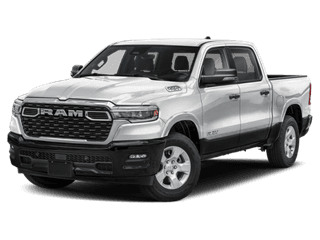
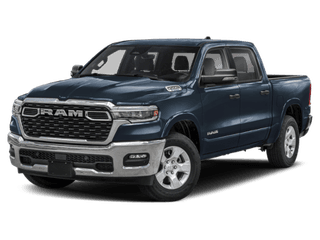
Top Wisconsin Car Lease Specials (Updated October 2026)
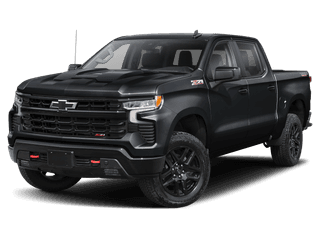

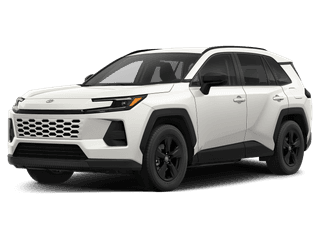
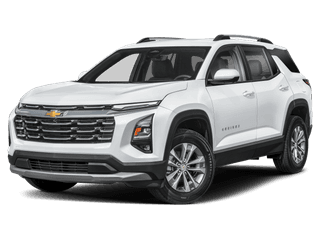
Best Deals Available Now in Wisconsin
How Wisconsin Taxes a Car Lease
Most first-time lessees assume car tax works the same whether you buy or lease. In Wisconsin, it doesn't — and understanding the difference is one of the best ways to accurately budget a lease payment.
When you buy a car in Wisconsin, you pay sales tax once, upfront, on the full purchase price. When you lease, Wisconsin taxes the transaction differently: sales tax is applied to each individual monthly lease payment as you make it, not to the vehicle's full value at signing. In practice, this means your effective tax burden over the lease term is spread out and calculated only against the portion of the vehicle's value you're actually paying for (the depreciation plus rent charge), rather than the car's entire MSRP. This is one of the built-in cost advantages of leasing versus buying in Wisconsin.
The rate itself is the same as on a purchase:
Wisconsin's state sales tax rate is 5%, applied to your monthly payment
Most counties add a 0.5% county tax on top
Milwaukee County adds an additional 0.9%
Milwaukee City adds a further 2.0% city-level tax — the only municipality in the state with its own vehicle tax layer, bringing the combined rate on a lease payment made in the City of Milwaukee to up to 7.9%
A handful of counties also carry a small stadium/district tax of up to 0.1%, which can still apply depending on where the vehicle is delivered or garaged
Because your local rate depends on where the vehicle is registered and delivered — not just where you live — it's worth confirming your exact combined rate before signing. Auto Bandit's transparent, what-you-see-is-what-you-get pricing builds applicable taxes into your offer up front, so there's no surprise tax line added after you've already picked out a vehicle.
One nuance worth knowing: any capitalized cost reduction (a lease "down payment") that you pay in cash is still fully taxable — Wisconsin does not let a cash cap-cost reduction lower the base on which your monthly payment tax is calculated. If you're comparing a lower-cap-cost, higher-monthly-payment structure against a zero-down offer, factor that in.
Source: Wisconsin Department of Revenue, Publication 202.
Your Rights as a Wisconsin Lessee
Wisconsin is one of the states with a dedicated consumer leasing law — the Wisconsin Consumer Act (Wis. Stat. ch. 429) — that applies specifically to motor vehicle leases signed by individual consumers (as opposed to business/commercial leases). Knowing what it guarantees you can make lease shopping considerably less stressful.
You have the right to an itemized cost breakdown. Every consumer lease in Wisconsin must include a notice telling you that you can request a written, itemized breakdown of the gross capitalized cost — essentially, the negotiated price the lease payment is based on. If you ask for it before signing, the dealer is required to provide it. This is your tool for confirming that any advertised discount or dealer incentive is actually reflected in your number, rather than added back in somewhere else in the paperwork.
You know exactly what you'll owe if you end the lease early. Under ch. 429, an early-termination payoff isn't left to guesswork or dealer discretion — it follows a defined formula involving the vehicle's remaining scheduled payments, the lessor's actual termination costs, and the lessor's termination savings (interest and other costs the lessor avoids by ending the lease early), which must be credited back to you. If you're ever quoted an early buyout number that doesn't account for those savings, that's worth pushing back on.
Security deposits, acquisition fees, and other upfront costs must be disclosed clearly. Wisconsin law requires these to be itemized in your lease agreement rather than folded silently into your capitalized cost.
Practical takeaway: before signing any Wisconsin lease, it's reasonable — and your legal right — to ask for the written gross capitalized cost itemization and to have the early-termination terms explained in plain language. A transparent lessor will have no issue providing either.
Source: Wisconsin Consumer Act, Motor Vehicle Consumer Leases.
If Something Goes Wrong: Wisconsin's Lemon Law and Leased Vehicles
Many lessees assume "lemon law" protection only applies if you own the car outright. In Wisconsin, that's not the case — the state's lemon law (Wis. Stat. § 218.0171) explicitly covers leased vehicles, and it's worth understanding before you drive off the lot, not after something goes wrong.
What qualifies. If a new vehicle you've leased has a defect that substantially impairs its use, value, or safety, and the dealer or manufacturer has had a reasonable number of attempts to fix it (generally defined under the statute as multiple repair attempts for the same issue, or the vehicle being out of service for repair a set number of cumulative days) without success, you may be entitled to a remedy directly from the manufacturer — even though you don't hold title to the car.
How a lease buyback is calculated. Because a lessee doesn't own the vehicle, a lemon law refund on a lease works differently than on a purchase. The manufacturer must pay:
The lessor the "current value of the written lease" — the total remaining payments owed under the lease, plus the lessor's early-termination costs, minus the lessor's early-termination savings
The consumer (you) a refund of what you've already paid under the lease, plus sales tax and eligible collateral costs, minus a reasonable allowance for your use of the vehicle before the defect was reported
Before going to court, check for an informal dispute process. Many manufacturers participate in a state-certified informal dispute settlement procedure. If your manufacturer has one, Wisconsin law generally requires you to try that process first before filing a lemon law claim in court — so it's worth asking your dealer or manufacturer directly whether one applies to your vehicle.
This protection exists independently of any manufacturer warranty, and it's one of the more consumer-favorable lemon laws in the Midwest specifically because it was written to explicitly address leased vehicles rather than treating leasing as an afterthought.
Source: Wisconsin Statutes § 218.0171.
Registration, Title & Fees for a Leased Vehicle in Wisconsin
One detail that surprises a lot of first-time lessees: in Wisconsin, you — the lessee — are the one who registers the vehicle, not the leasing company. Under Wis. Stat. § 341.01(2)(b), for any lease of 12 months or longer, the lessee is legally treated as the vehicle's "owner" for registration purposes. The leasing company (lessor) is listed as the titleholder/lienholder, but the plates and registration go in your name, and you're the one responsible for renewals.
What that costs, updated for 2026:
| Item | Amount | Notes |
|---|---|---|
| Base annual registration | $85/year | Standard passenger vehicle |
| Title fee | $214.50 | One-time; increased from $164.50 effective October 1, 2025 under the state's 2025–27 biennial budget |
| EV annual surcharge | $175/year | Applies to battery-electric vehicles, in addition to base registration |
| Plug-in hybrid annual surcharge | $75/year | Applies to PHEVs, in addition to base registration |
| County wheel tax | Varies by county | Set locally; collected by WisDOT on the county's behalf |
| Municipal wheel tax | Varies by city/village/town | Can apply in addition to a county wheel tax if your municipality also levies one — check both |
A practical note on wheel tax: because both a county and a city/village/town can independently levy a wheel tax, it's possible to owe two separate wheel tax charges depending on exactly where the vehicle is garaged — this is one of the more common places lessees get a registration bill that's higher than they expected. It's worth checking your specific municipality's rate before you sign, not after your first renewal notice arrives.
Emissions testing: the vast majority of Wisconsin's 72 counties have no emissions testing requirement at all. Testing is required only in seven southeastern counties — Kenosha, Milwaukee, Ozaukee, Racine, Sheboygan, Washington, and Waukesha — and only biennially, via a free OBD-II scan, with new vehicles exempt until their fourth model year. Electric vehicles are exempt statewide regardless of county.
Source: Wisconsin Department of Transportation title and registration fee schedule.
EV & Hybrid Leasing in Wisconsin: What Incentives Actually Exist in 2026
There's a lot of outdated information still circulating about EV incentives, so here's where things actually stand for a Wisconsin lease signed in 2026.
The federal EV tax credit is gone. The federal Clean Vehicle Tax Credit — up to $7,500 for new EVs and $4,000 for used EVs — and the related commercial credit that leasing companies used to pass through as built-in lease discounts, both ended for any vehicle acquired after September 30, 2025, under the One Big Beautiful Bill Act. If you're seeing outdated articles, ads, or dealer scripts still referencing a $7,500 credit on a 2026 lease, that information is no longer accurate — there is currently no federal purchase or lease credit for EVs.
Wisconsin does not have a state-level replacement. Unlike some states, Wisconsin has never offered its own EV purchase or lease rebate, so there's no state backstop filling the gap left by the expired federal credit.
What is still available:
Utility charger rebates. Several Wisconsin electric utilities and co-ops offer rebates for installing a home Level 2 charger — Madison Gas and Electric's Charge@Home program, We Energies and Xcel Energy time-of-use and rebate programs, and rebates from a number of rural electric cooperatives around the state. These vary by provider and are for home charging equipment, not the vehicle itself, but they meaningfully reduce total cost of EV ownership.
Manufacturer lease incentives. With the federal credit gone, some manufacturers have leaned harder into direct lease cash and subvented rates to keep EVs moving — these change frequently and are worth comparing model-to-model rather than assuming any one brand's deal.
No state emissions testing for EVs, anywhere in Wisconsin — a real, if modest, ongoing savings and convenience factor versus a gas vehicle in the seven testing counties.
One financing-only note (not applicable to leases): a new federal deduction allows buyers who finance a new vehicle assembled in the U.S. to deduct up to $10,000 per year of loan interest through 2028, subject to income limits. Because a lease payment isn't loan interest and a lessee isn't the titled owner, this deduction does not apply to leased vehicles — worth knowing if you're weighing lease vs. finance and see this deduction mentioned elsewhere.
Bottom line: if EV cost was part of your leasing decision, run the numbers on the actual advertised lease payment rather than assuming a tax credit is baked in — and check with the specific utility serving your area for charger rebates, since those are still real money on the table even though the federal vehicle credit isn't.
Source: Public Service Commission of Wisconsin, Electric Vehicles.
Frequently Asked Questions About Car Leasing & Financing in Wisconsin
Does Wisconsin have a state EV rebate or tax credit?
No. Wisconsin does not offer a statewide rebate or tax credit for purchasing or leasing an electric vehicle. Note also that the federal Clean Vehicle Tax Credit (previously up to $7,500 for new EVs and $4,000 for used EVs) expired for vehicles acquired after September 30, 2025, and is no longer available. Some Wisconsin utility providers still offer rebates for home EV charger installation and off-peak charging rates — check with your local utility for current programs.
What is the sales tax on a car purchase in Wisconsin?
Wisconsin charges a 5% state sales tax on vehicle purchases. Most counties add an additional 0.5% county tax. Milwaukee County adds 0.9%, and Milwaukee City adds a further 2.0% city-level tax — making the total vehicle sales tax rate in Milwaukee City up to 7.9%. Always factor your local rate into your total vehicle budget.
Are there emissions (smog) tests required in Wisconsin?
Emissions testing is required only in seven southeastern counties: Kenosha, Milwaukee, Ozaukee, Racine, Sheboygan, Washington, and Waukesha. Testing is biennial (every two years) via free OBD-II scan, and new vehicles are not tested until their fourth model year. The vast majority of Wisconsin's 72 counties have no emissions testing requirement. Electric vehicles are exempt from emissions testing statewide.
What are Wisconsin's EV registration fees?
Wisconsin charges an annual surcharge on top of the standard $85 registration fee: $175/year for fully electric vehicles and $75/year for plug-in hybrid vehicles. These fees exist to offset forgone gas tax revenue.
Can I get a car loan in Wisconsin with bad credit?
Yes. Auto Bandit works with a network of lenders that specialize in bad credit and subprime auto financing across Wisconsin. Rates will be higher (typically 15%–25% APR), but a larger down payment and co-signer can help. Successfully repaying an auto loan is also an effective way to rebuild your credit score over time.
What is the average car registration cost in Wisconsin?
A first-time Wisconsin vehicle registration generally runs $85 for the base annual registration plus a $214.50 title fee (increased from $164.50 as of October 1, 2025), before any county or municipal wheel tax. Annual renewals for standard passenger vehicles are typically $85, plus any applicable wheel tax, or the EV ($175/year) or plug-in hybrid ($75/year) surcharge if applicable.
How Auto Bandit Works
Auto Bandit takes the stress out of finding the best car deals by offering clear, competitive leasing and financing options. Whether you’re looking for a new or used vehicle, our platform connects you with the top offers in Wisconsin, ensuring a simple and straightforward process every step of the way. Start exploring today to see how Auto Bandit can help you drive off in your next vehicle.
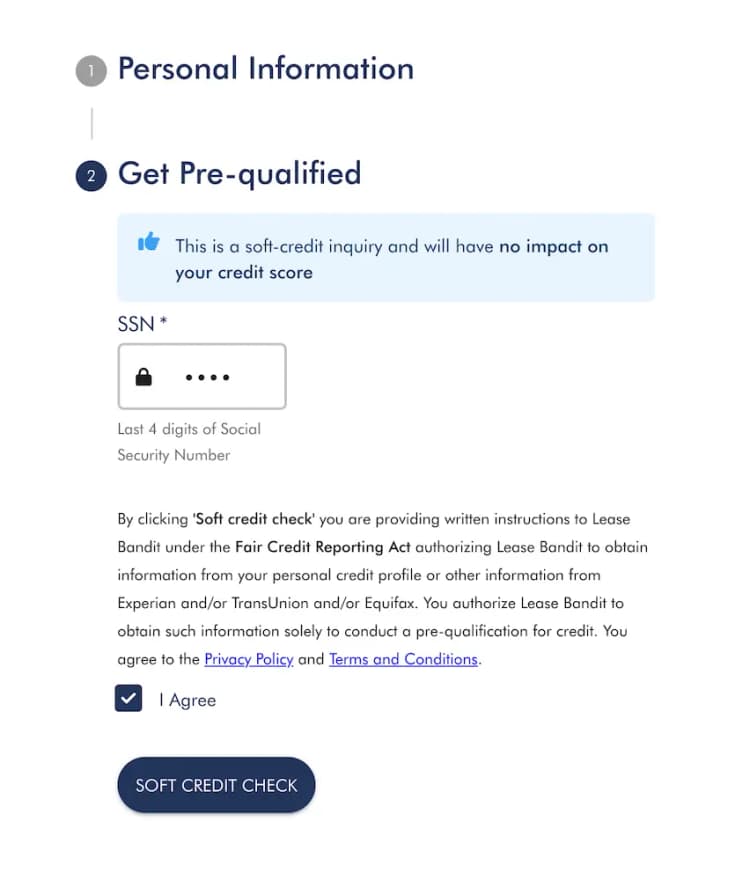
Create an account and fill in your information
Sign up with your email and zipcode. We need your credit tier to provide accurate prices
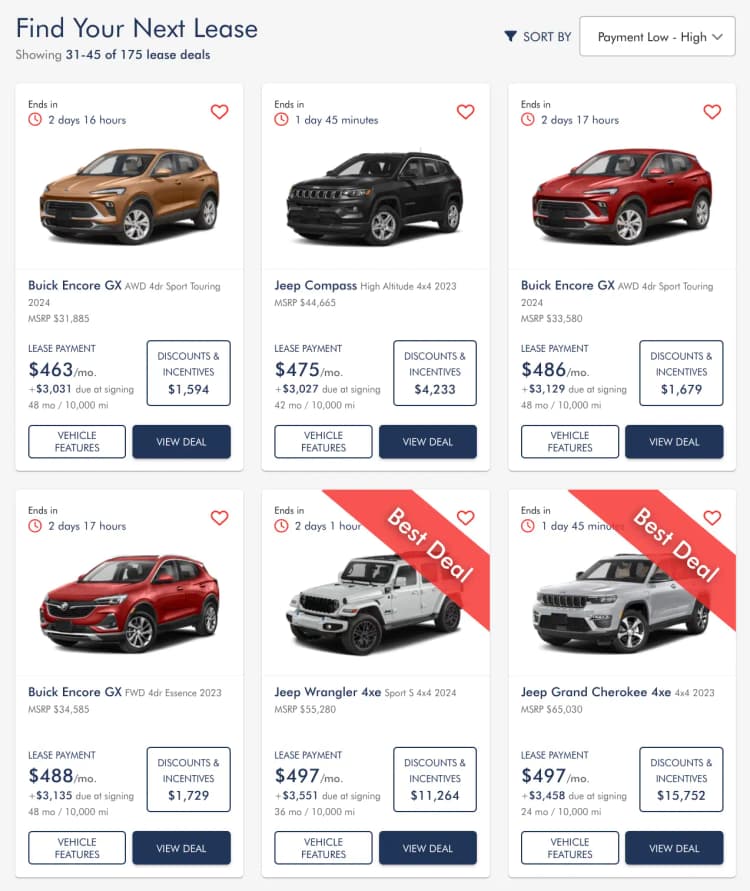
Find your vehicle
Search for vehicles by the year, make, model or even option packages you want
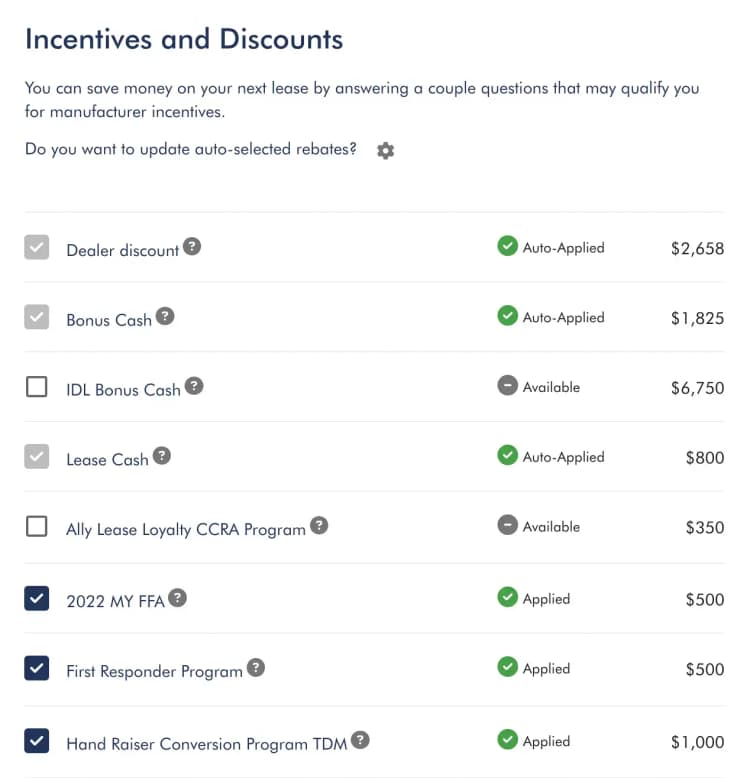
Apply incentives and rebates
Answer some simple questions to take advantage of incentives and rebates
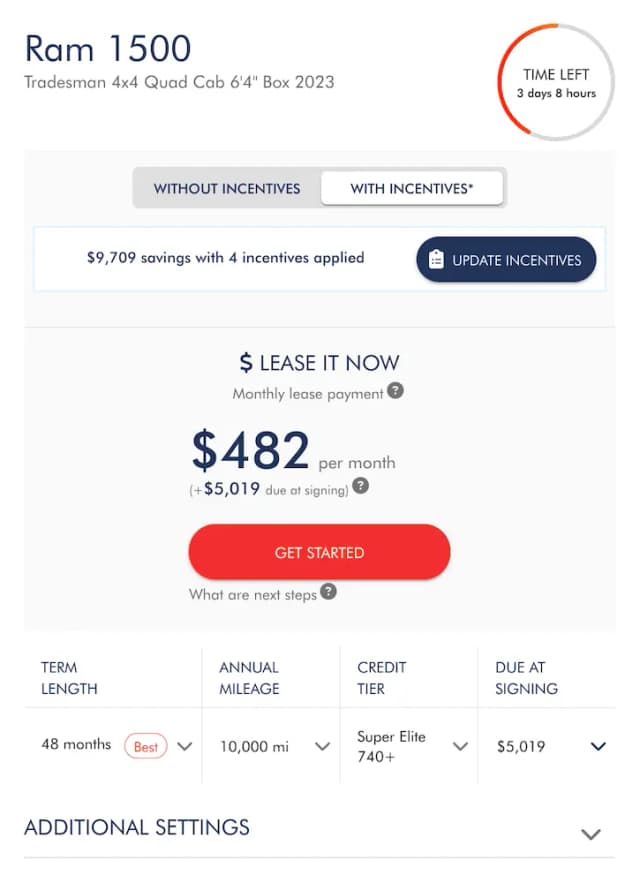
Set your leasing terms and get a great deal
Whether you choose to lease or finance, adjust your term length, mileage, down payment, and other conditions to find the perfect plan. Enjoy flexible options tailored to your needs and drive away with confidence.
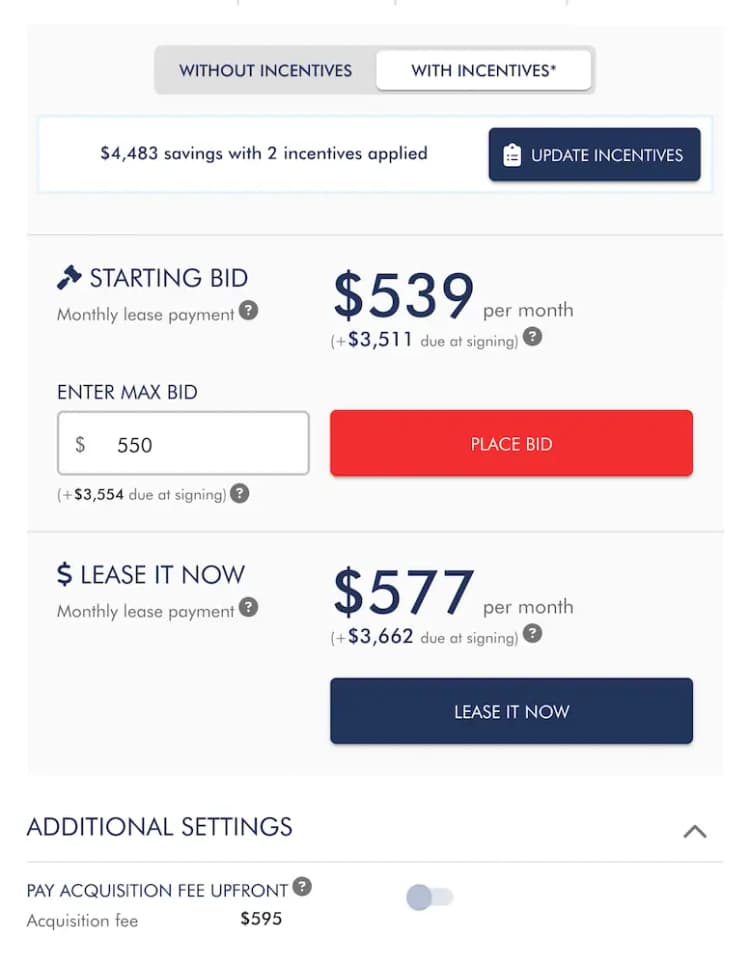
Explore Leasing and Financing Options
Discover your perfect vehicle through flexible leasing and financing options, with great deals tailored to your needs.
Zero Down Lease Options in Major Wisconsin Cities
Lease or Finance a Car Near You

